Grotesque Realism
A 10 week folk horror project with Goldsmiths MA Design Expanded Practice students exploring grotesque realism as a critical strategy to de-normalise the horrors of precarious working conditions.
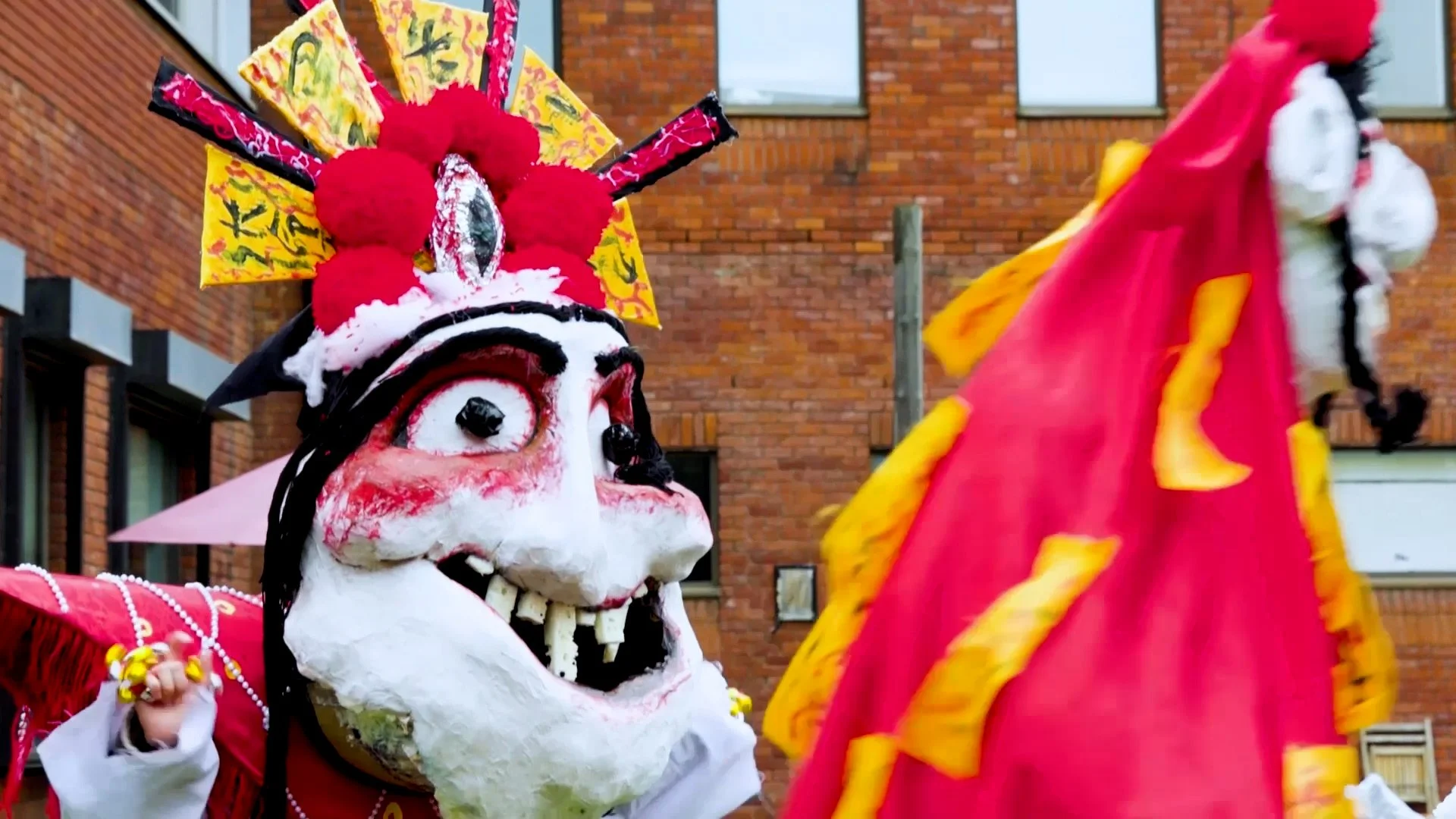
Working over 10 weeks with design students we asked: how can we learn from the carnivalesque to make consciousness raising performative design? We began with research into folk carnivals from around the world that embody collective opinions and escape everyday power structures. Looking at marches, parades, pageants and customs that transform the streets they inhabit into sites of socio-political narratives, reflecting and amplifying the concerns that the communities involved may be experiencing. Together we discussed the power of collective making and the creative potential in designing movements, sounds, effigies and costumes to confront extractive working conditions and the effect on our mental and physical well-being.
“Marx sought a confrontation with monstrosity. He set out to reveal the legions of vampires and werewolves that inhere in capital so that they might be banished.”
Monsters of the Market, David McNally
Monsters of the Market: Zombies, Vampires and Global Capitalism by David McNally (2011) acted as a foundation text to explore how how grotesque realism can provide what McNally describes as “disruptive strategies of re-embodiment”; images that can de-familiarise and make visible the abstract violence of late capitalism and highlight social inequality and injustice through exaggeration, hyperbole and carnivalesque excess.
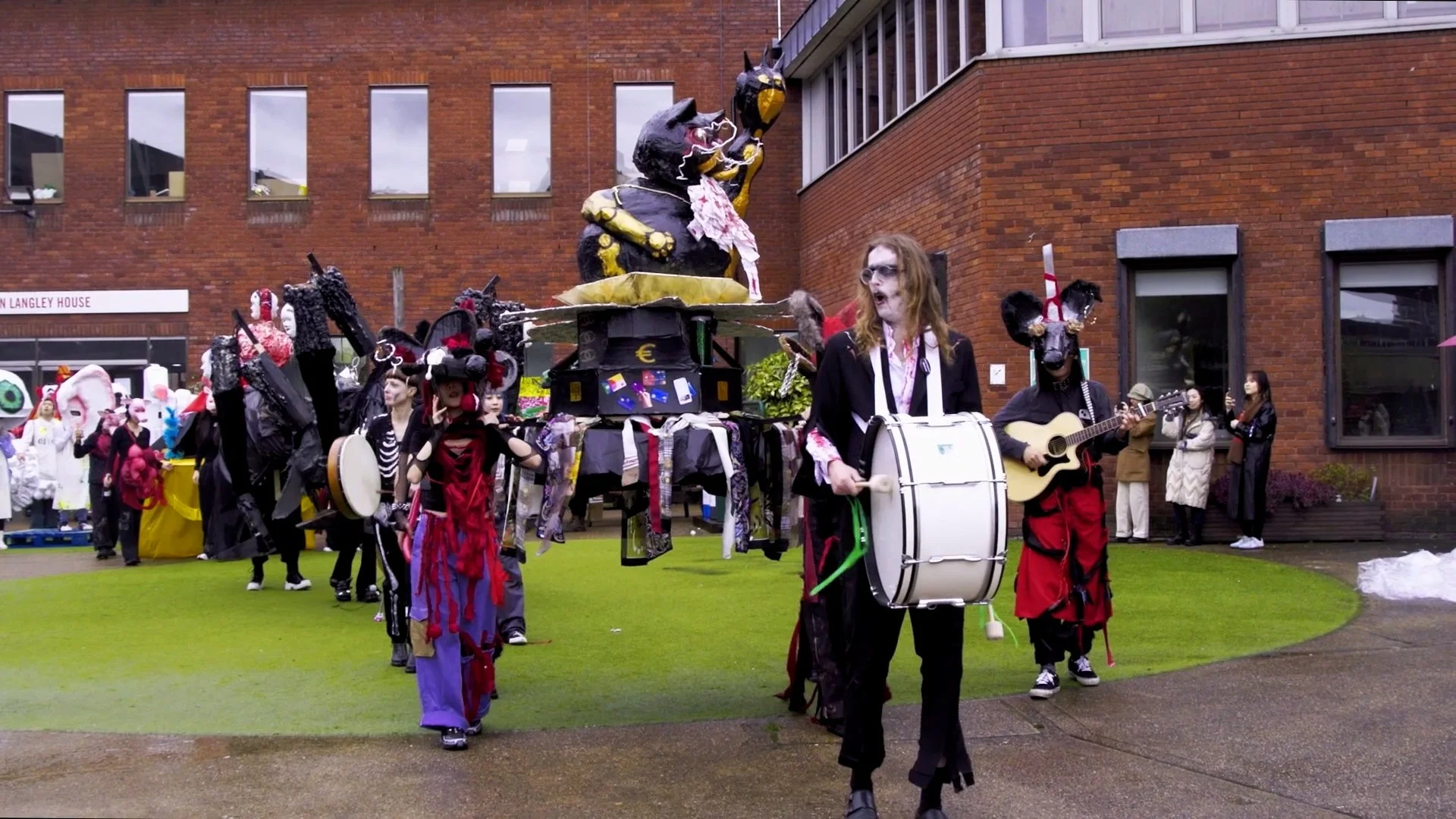
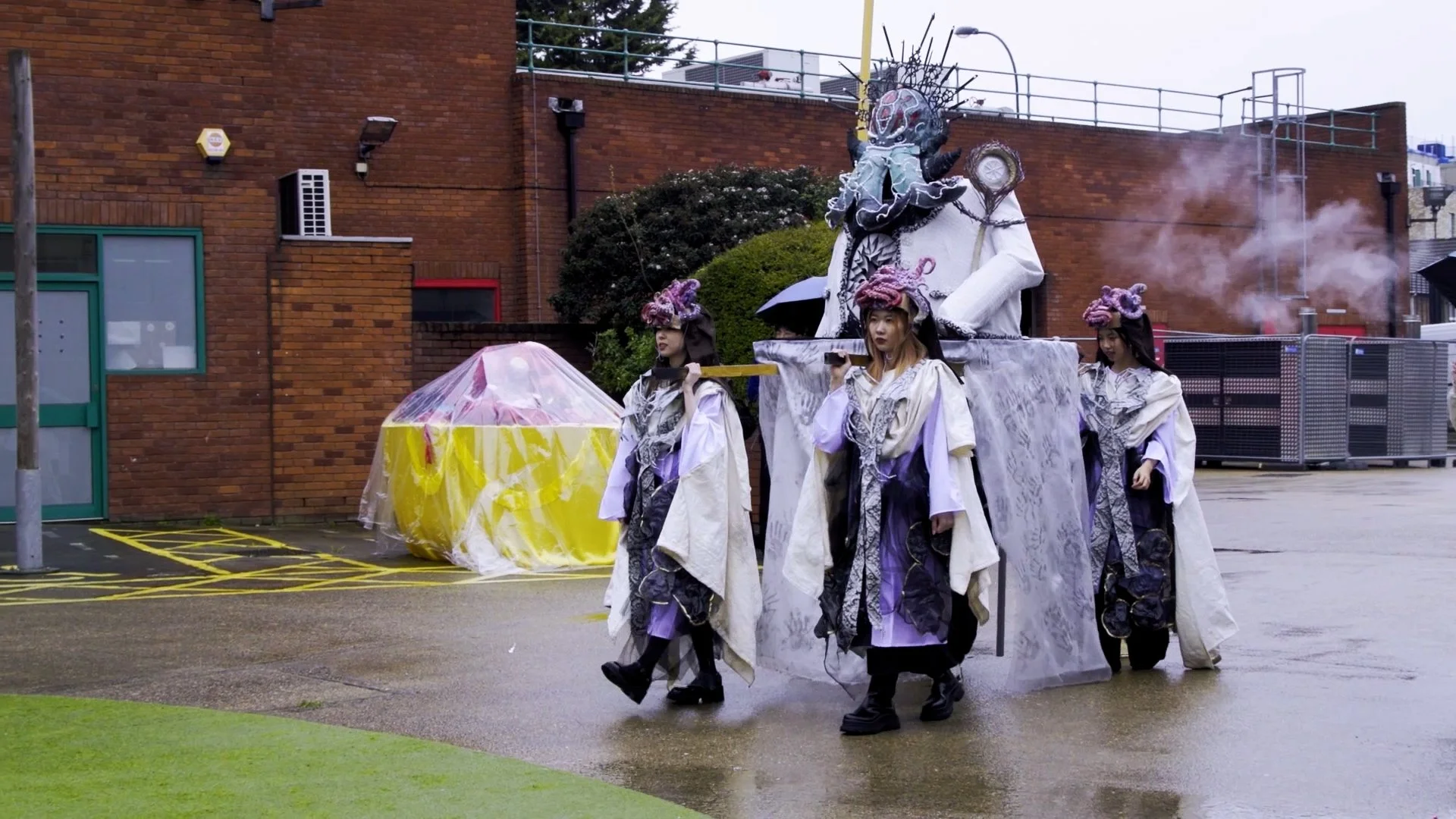
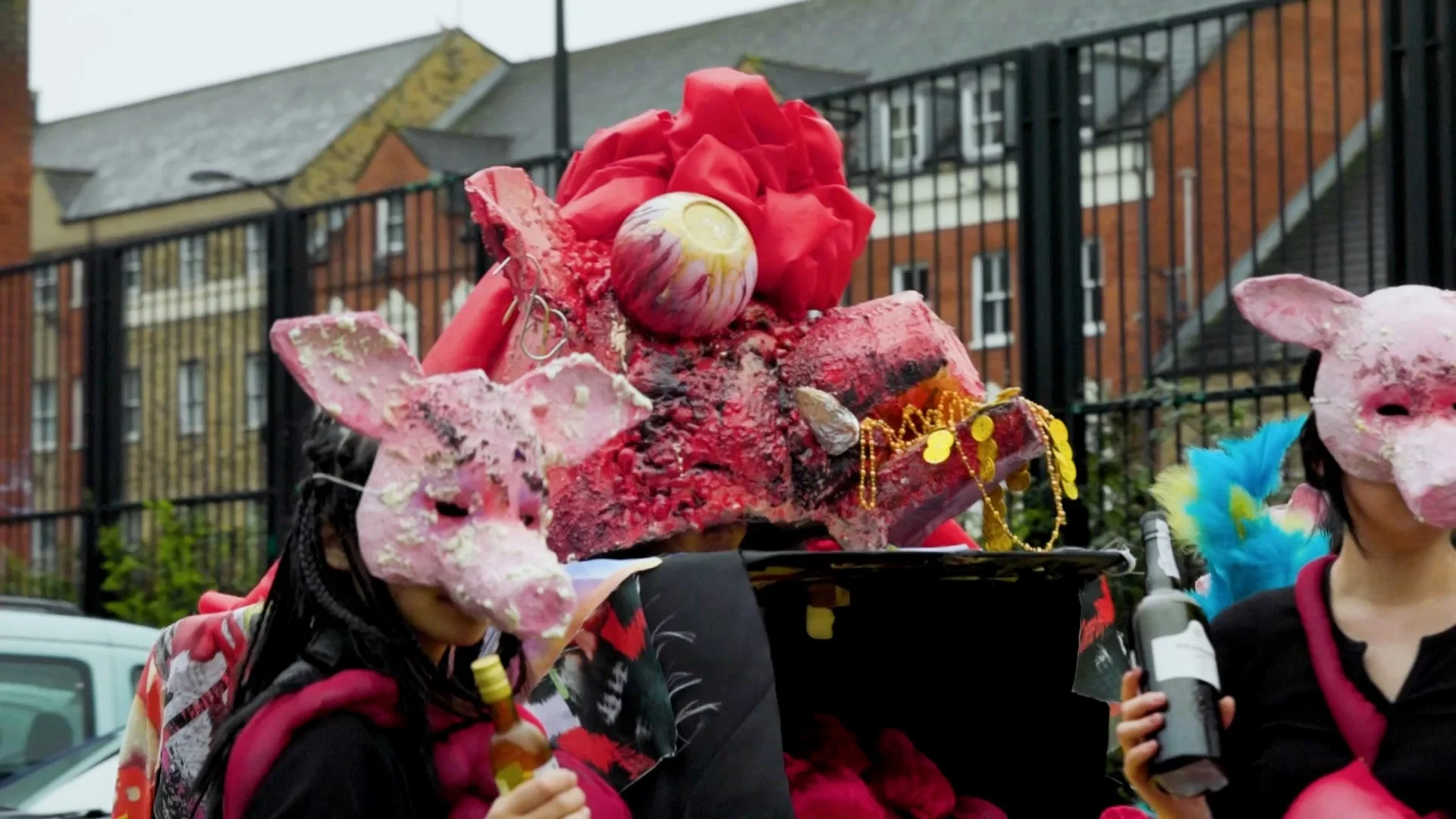
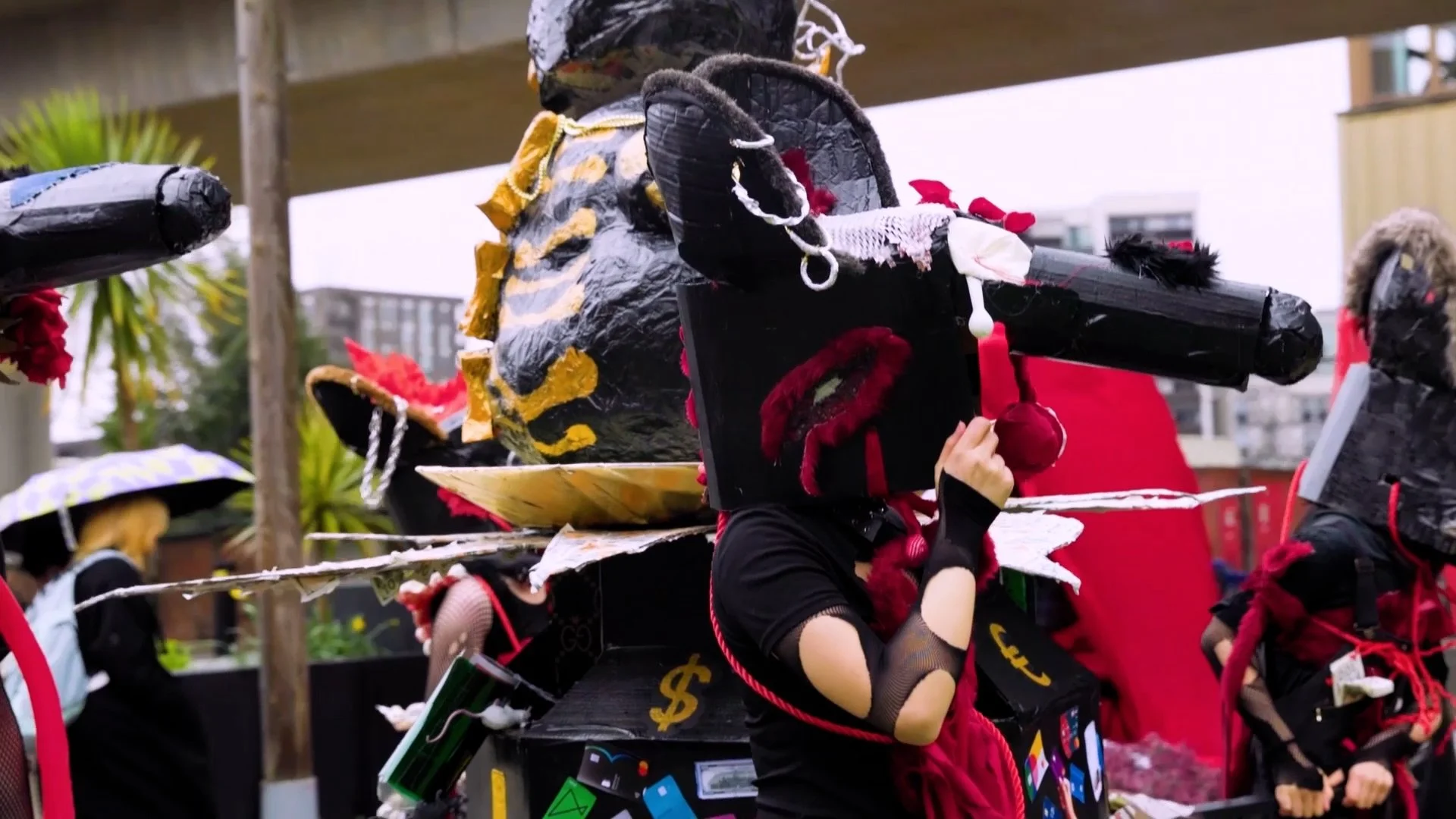
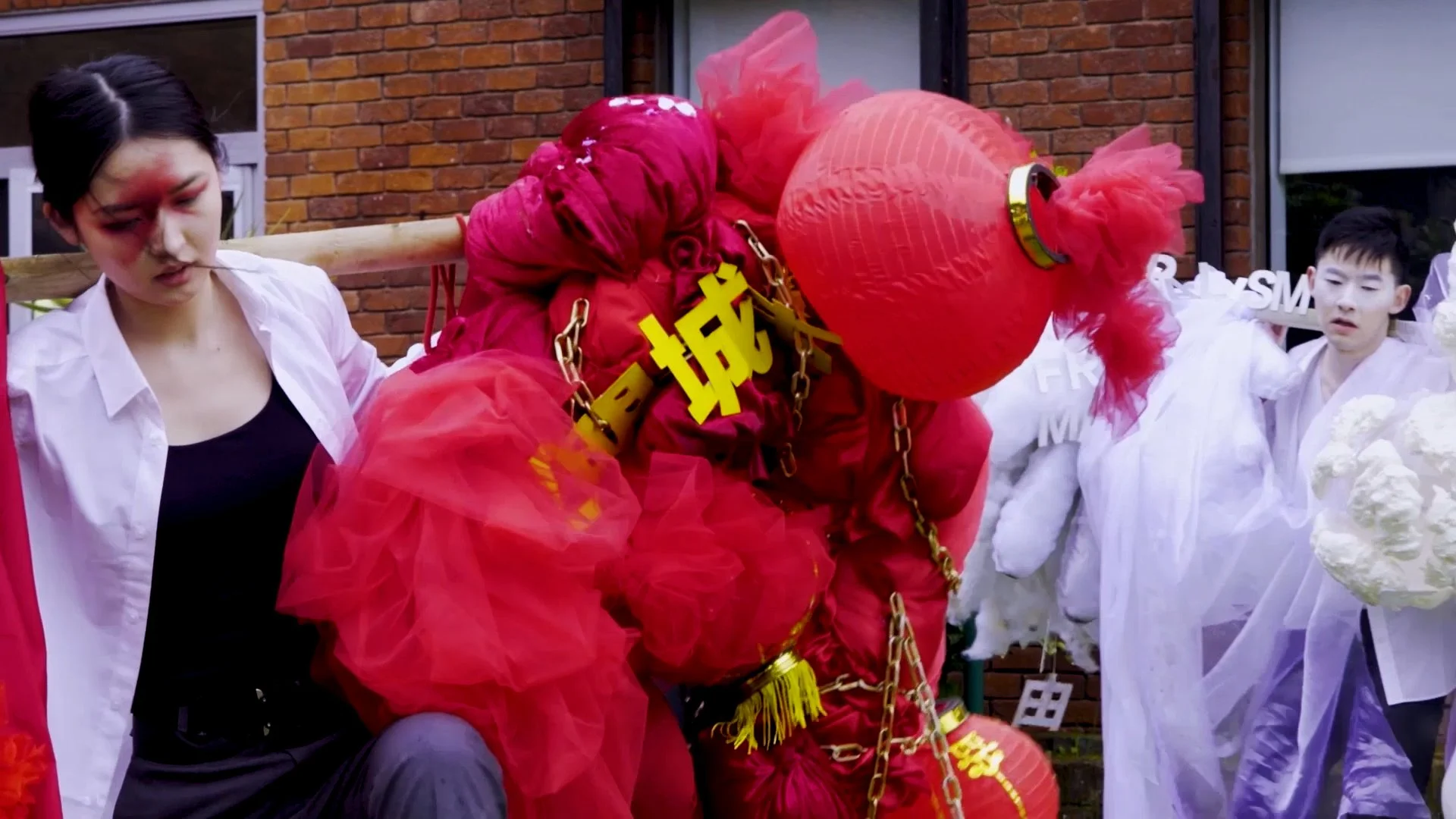
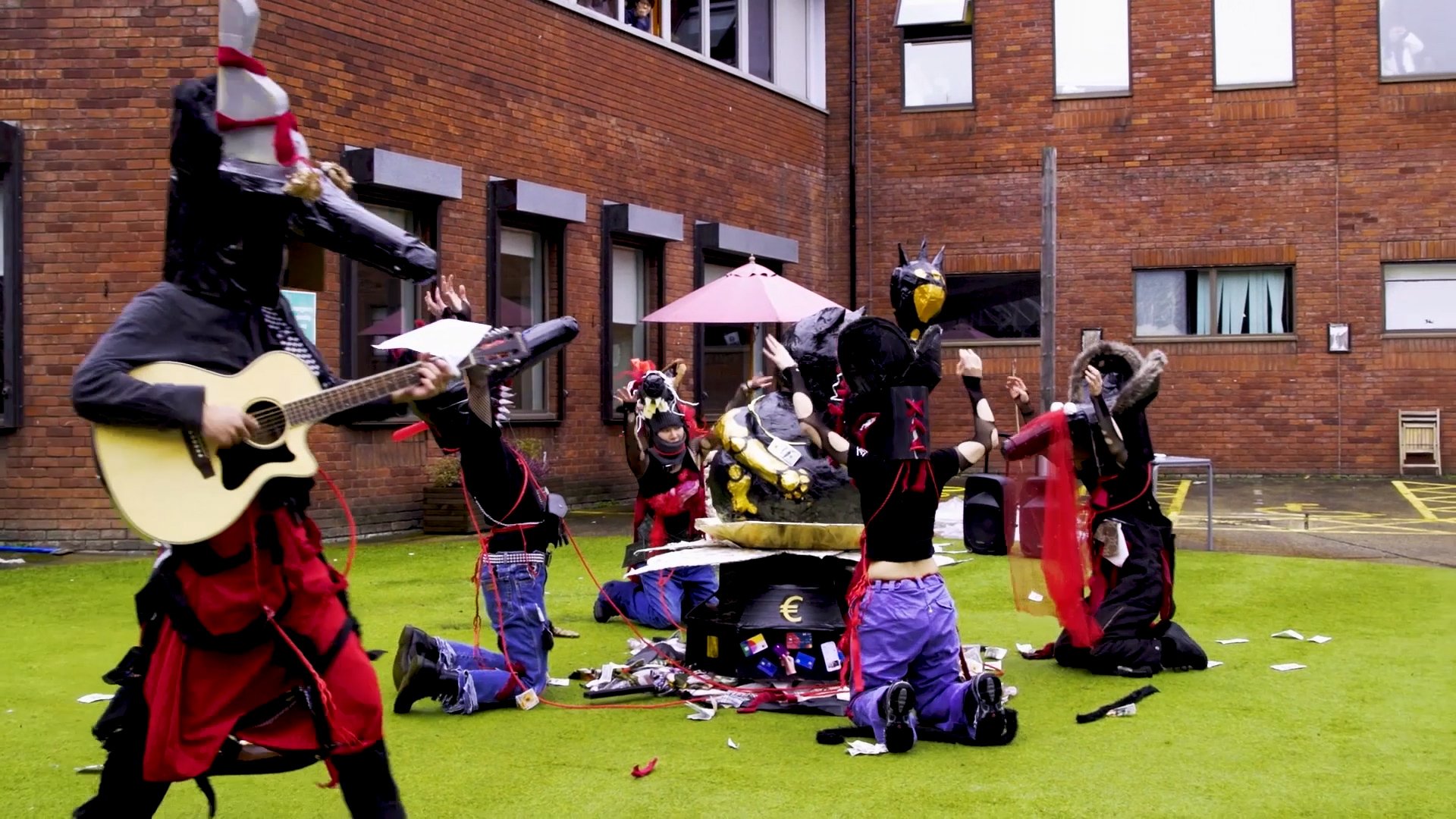
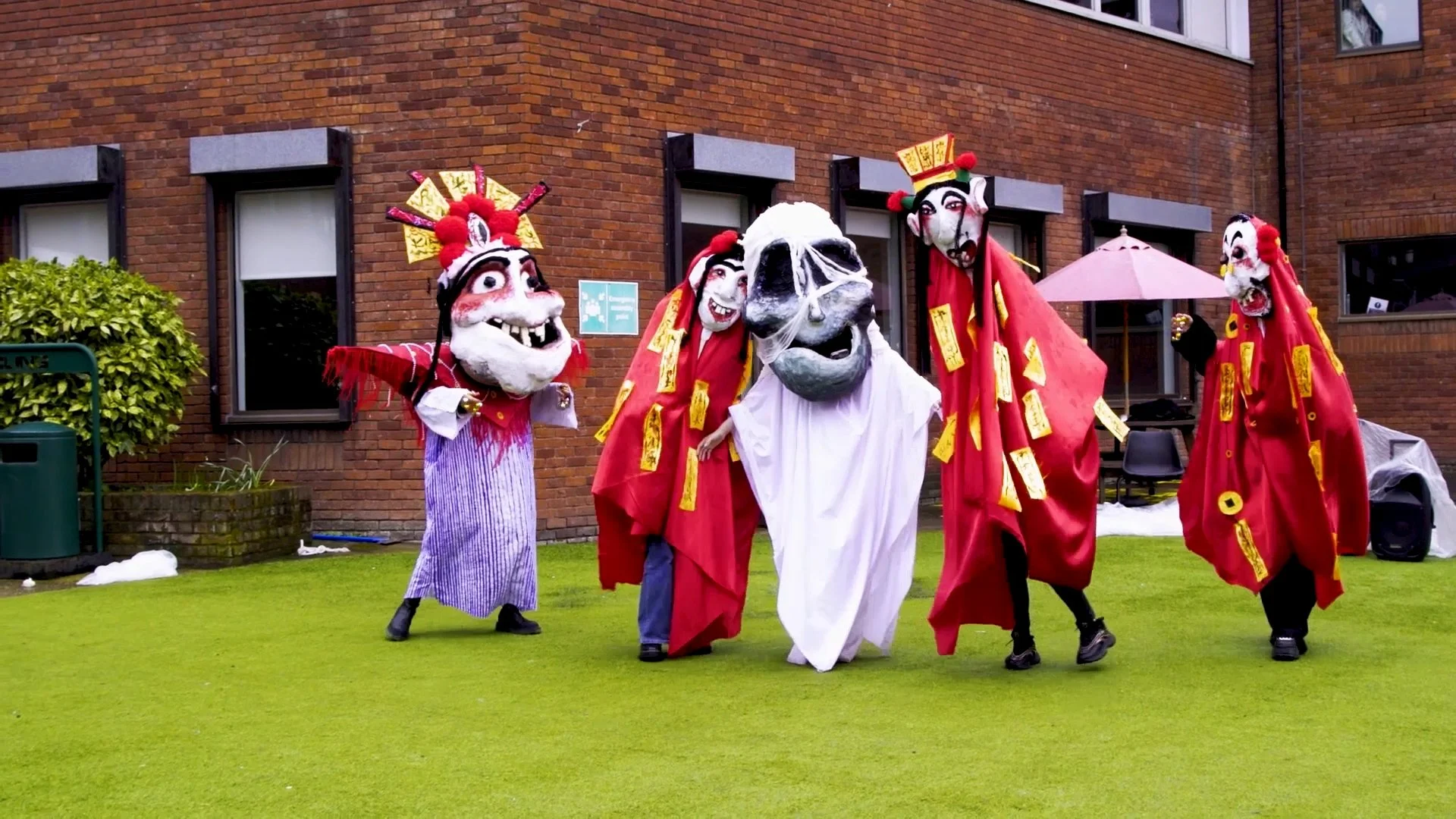
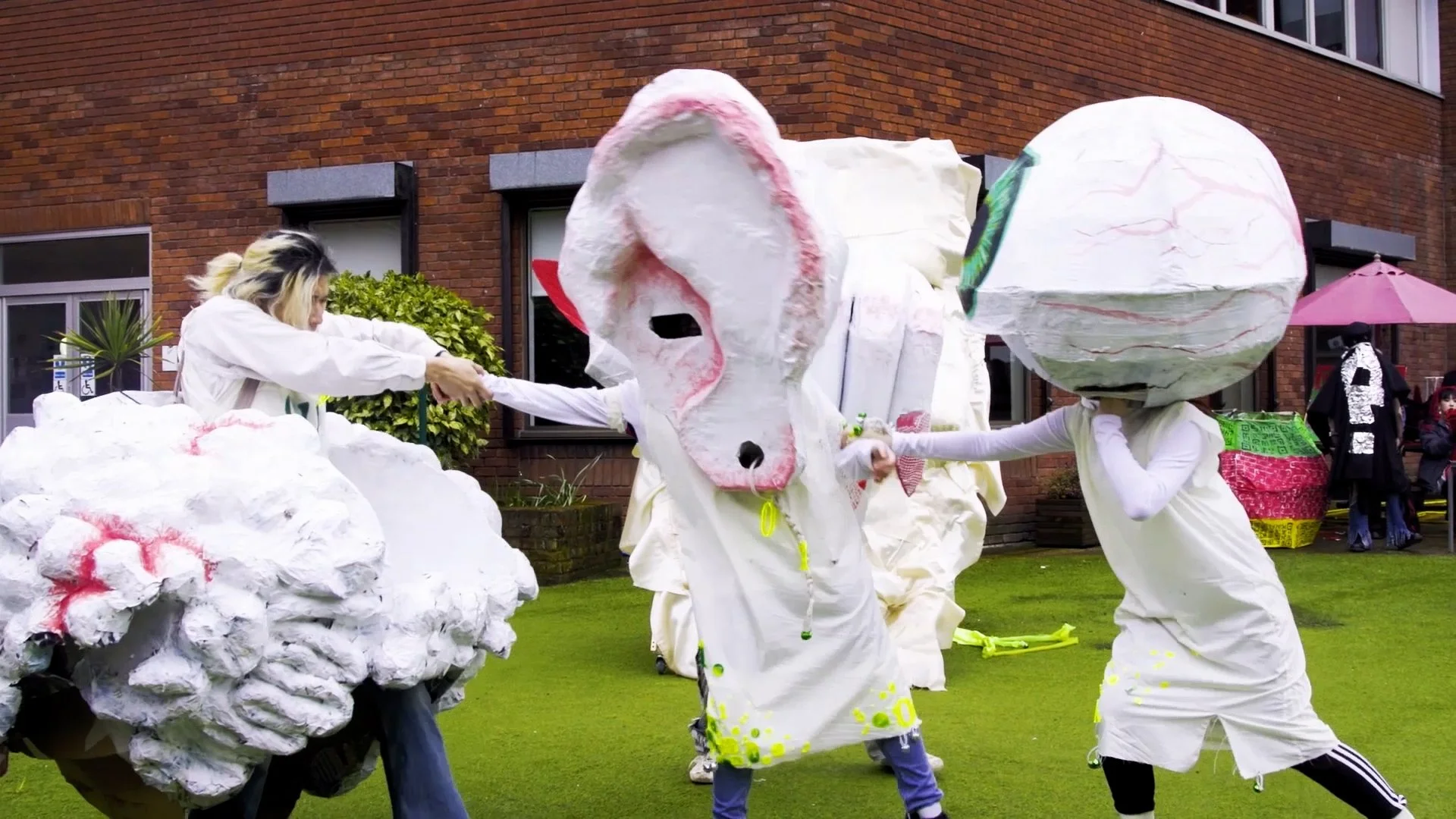
The collision of critical theory and active folk making and performance workshops culminated in the epic Lunch-Hour Procession of the Working Dead, with performances including: a dance of digital entrapment, the ballad of the rat race, a march of disposable interns and a ritual of desperation and greed.
“Burnt out workers, stressed out students, we welcome you, one and all, to the lunch-hour procession of the working dead. A march of the labouring grotesque, a dance of the grave diggers. Work governs us all. We live, subordinated by an all powerful work ethic affecting both our mental and physical wellbeing. But today is a moment to subvert, challenge and satirise the power structures that govern working life. A moment to de-familiarise and make visible the horrors of late capitalism. A moment to call attention to the violence that the body and mind of the worker is subjected to within an extractive system of accumulation and greed. What you see gathered before you are the monstrous imaginings of a grotesque reality. Join us as we perform a ritualesque awakening of the working dead. Through song, drama and dance we will attempt to summon a spirit of resistance.”
Transcript from PWT’s introduction to the procession